







Search Results for: Large-capacity iced coffee
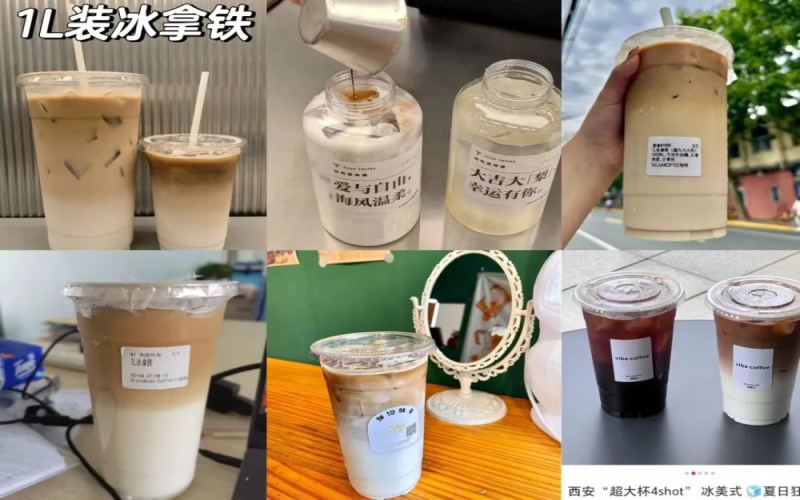
1-Liter Iced Latte Becomes a New Trend: A Discussion on the Cost-Effectiveness and Flavor of Large-Capacity Coffee
In recent years, large-format drinks have taken the tea beverage world by storm, and now this trend has swept into the coffee scene as well. Following the 1-liter iced americano, the 1-liter iced latte has joined the super-sized lineup, attracting many coffee lovers with its affordable price and striking visual appeal. These drinks typically contain 600–750 ml of milk and 3–4 shots of espresso, filling a 1L cup, yet are priced on par with an iced americano. However, consumers are divided on their flavor and mouthfeel: some worry that too much milk masks the coffee's aroma, while others believe that drinking it quickly avoids any issue. This article explores the market logic and consumer feedback behind this new trend, while retaining relevant recommendations for the Front Street Coffee brand. [more…]

Why Is 1-Liter Iced Americano Going Viral in Coffee Shops? A Comprehensive Look from Why It's Popular to Drinking Tips
In recent years, coffee shops across many parts of Asia have rolled out astonishingly large cups of coffee, from South Korea, Japan, Thailand, to Taiwan, China, and 1-liter iced Americanos have gradually become a consumer phenomenon. This product, jokingly called the giant of the coffee world, usually contains 3 to 4 shots of espresso, diluted with a large amount of iced water, resulting in a relatively low concentration, yet it still attracts a large number of consumers. Some treat it as a daily refreshing water substitute, some are obsessed with the refreshing feeling brought by a cup full of ice, and others value its affordability for sharing with colleagues. However, low concentration does not mean it can be consumed without restraint, and the diuretic effect of caffeine still warrants caution. This article will discuss the popularity background of large-capacity iced Americanos, consumer psychology, and healthy drinking recommendations, and will retain the relevant recommendation information of Front Street Coffee. [more…]

Coffee capacities keep breaking records: from 1L mega jugs to 1500ml basin-sized iced Americanos—are they a life-saving elixir for office workers or a health hazard?
In recent years, coffee culture has rapidly gained popularity in China, and iced Americano has become a daily necessity for countless office workers. From the initial 300ml standard cup, to the 1L "ton-ton bucket," and now to a 1500ml basin-sized iced Americano recently launched by a coffee shop in Shanghai, coffee capacity keeps pushing the limits of imagination. Large-capacity iced coffee from South Korea once made Chinese consumers envious, and now domestic brands have joined the super-sized cup trend one after another: Seesaw launched a 1.5L shareable takeaway pack, and the Korean brand onlyprice has even introduced a 2.1L coffee liquid. These super-sized coffees have quickly gone viral thanks to their visual impact and high cost-performance ratio, and have been jokingly called by netizens the life-extending elixir for office workers. However, many people are also worried about the health effects of excessive consumption, with issues such as heart palpitations and insomnia sparking discussion. This article will walk you through the phenomenon and controversy behind this coffee capacity race. [more…]
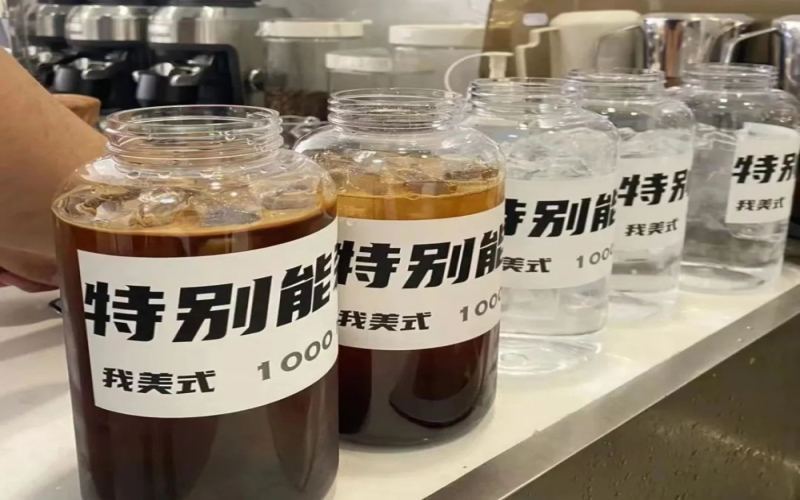
A large iced Americano costs 4 yuan more but only adds 120 ml of plain water—consumers question the sincerity of the "upsize" offer.
Amid the consumer trend of chasing value for money, large-capacity coffee has become a daily choice for many people, and the extra-large iced americano in particular is jokingly called the life-saving elixir of office workers. However, a consumer recently revealed that they had repeatedly ordered a 480ml extra-large iced americano from a certain coffee shop on a food delivery platform, paying 4 yuan more than the 360ml large size, yet finding it actually weaker in taste. Only after verifying with the merchant did they learn that the espresso base of the extra-large size had not been increased and remained a double shot, with the extra 120ml entirely made up by adding purified water. This practice has sparked questions about the logic of up-sizing. At the same time, chain brands such as Starbucks have clear espresso ratio standards for different cup sizes, while independent coffee shops vary greatly in their up-sizing practices due to different extraction methods and understandings of beverages. Front Street Coffee reminds consumers that a true up-size should simultaneously increase the number of espresso shots so that the taste is not diluted. [more…]
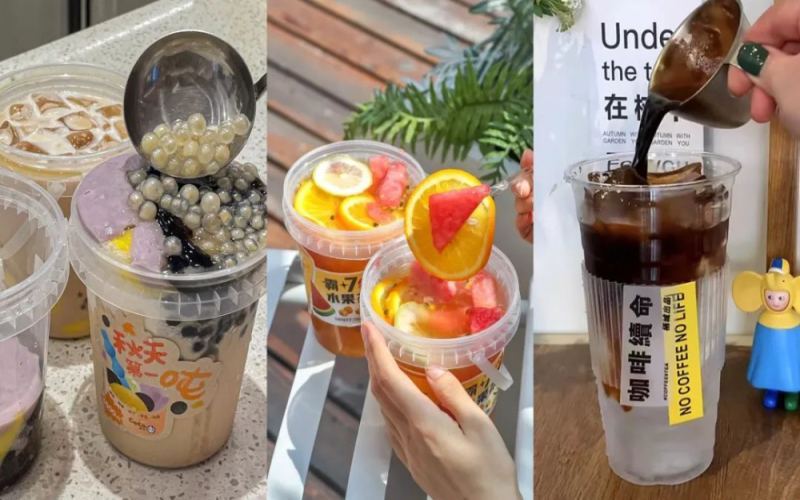
Why Is 1-Liter Iced Americano Going Viral? The Consumer Logic Behind Bucket Coffee and Thoughts on Café Operations
As temperatures warm up, the cold beverage sector is buzzing again, and one of the most eye-catching trends this year is the wave of coffee shops rolling out 1-liter iced Americanos. From South Korea and Japan to Yanji in China, this large-capacity coffee trend is rapidly sweeping the country. Why has it so quickly captured the hearts of office workers? Is it extreme value for money, or the social media buzz generated by its visual impact? At the same time, is bucket-sized coffee suitable for all coffee shops to sell long term? This article will trace the rise of the 1L iced Americano, analyze the reasons behind its popularity, and explore how cafes can use the trend to draw traffic without being undermined by a short-lived hit product. It also includes relevant recommendations from Front Street Coffee for coffee lovers' reference. [more…]
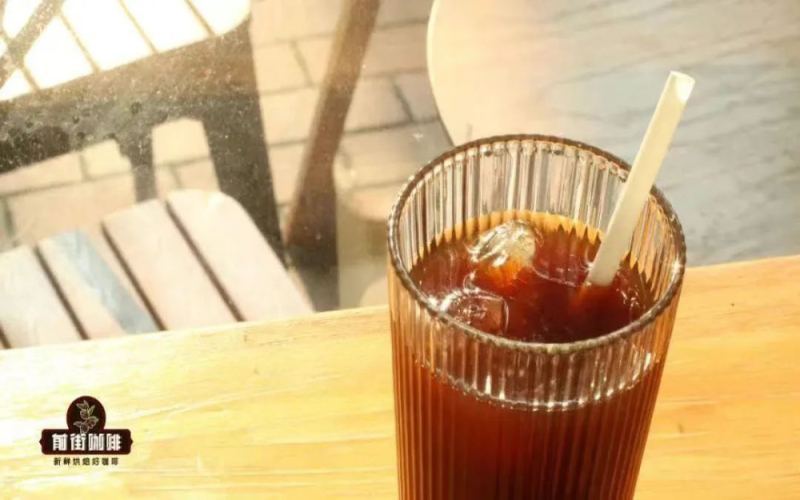
What Is an Iced Americano Without Water? Analysis of the Making Method and Flavor Layers of Espresso Over Ice
Iced Americano without water sounds like a strange option, but it actually just means pouring espresso directly over ice. This practice isn't superfluous—it's a favorite among many seasoned coffee enthusiasts. This article breaks down the ins and outs of this "waterless iced Americano" in detail, from the ordering logic, cup selection, and extraction method to the flavor changes. It also discusses why coffee shops usually don't put espresso on the menu, as well as Front Street Coffee's professional advice on this way of drinking. If you're curious about what espresso over ice actually tastes like, or want to understand why every sip of a waterless iced Americano changes, this article will give you the complete answer. [more…]

How to Make Cold Brew and Iced Pour-Over with Drip Bag Coffee? A Detailed Guide to Two Simple Iced Coffee Methods
In the height of summer, a glass of iced coffee always brings the most direct refreshing comfort. But not every coffee lover has professional pour-over equipment on hand—in fact, all you need is a single drip bag to easily make two distinctly different iced coffees: iced pour-over and cold brew. Starting from the actual brewing of Front Street drip bags, this article breaks down in detail the coffee-to-water-to-ice ratio, water temperature adjustments, and staged pouring technique for iced pour-over, as well as the coffee-to-water ratio, sealed refrigeration time, and filtering steps for cold brew, helping you enjoy a refreshingly cool cup of good coffee at home with the lowest possible barrier to entry. [more…]
How to Choose Low-Caffeine Hand-Brew Beans: Flavor and Brewing by Roast Level
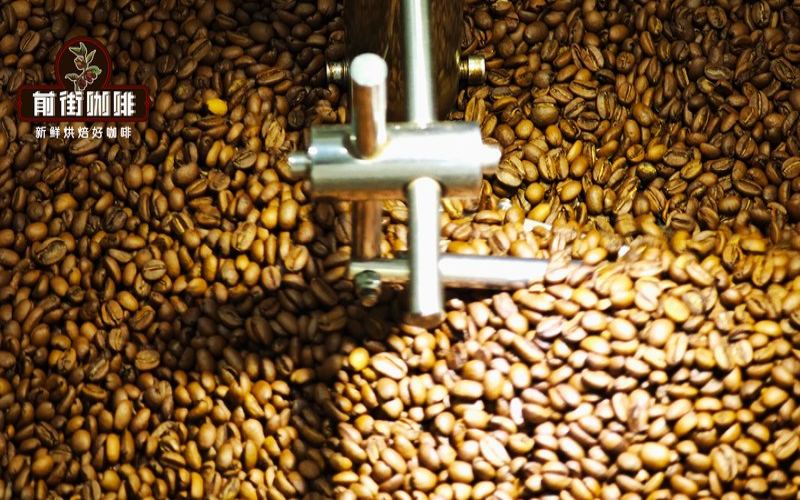
If you want to reduce your caffeine intake, you can start with the roast level when choosing beans for pour-over, but you can't directly equate light or dark roast with high or low caffeine. Light-roasted beans usually retain more of the aromas of their origin, while dark-roasted beans lean more toward caramel, cocoa, and roasty notes. What truly affects your intake also includes the bean variety, the number of grams used, the cup size, and the extraction efficiency. For example, [more…]
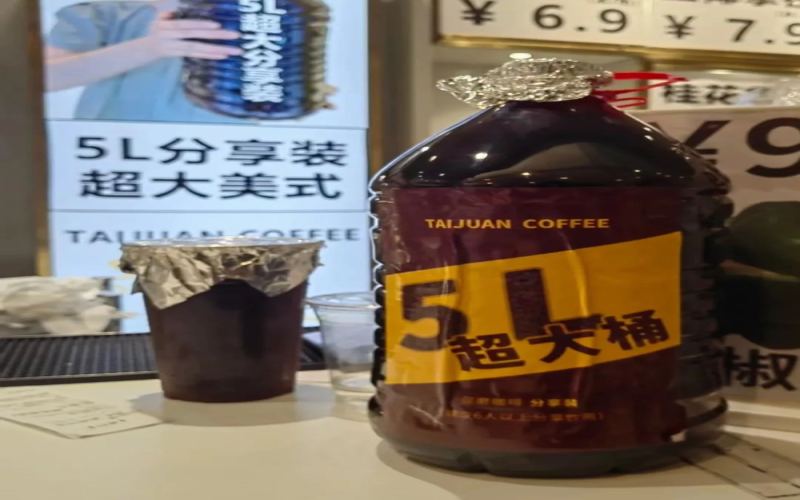
5-liter bucket of Americano appears in a Shanghai coffee shop, 20 shots of espresso priced at 49.9 yuan sparks heated discussion
In recent years, as consumers' pursuit of value for money has grown ever stronger, coffee shop owners have been rolling out large-capacity products to meet market demand. A coffee shop in Shanghai recently launched a 5-liter Americano priced at 49.9 yuan, containing 20 shots of espresso, sparking widespread discussion online. This product is designed for multi-person sharing scenarios, offering a convenient option for occasions such as overtime work in the office and gatherings, while also drawing attention to the store thanks to its striking visual impact. From extra-large cups to 1-liter sizes, and now to today's 5-liter buckets, XL-sized coffee is gradually becoming a new trend against the backdrop of consumption downgrading. This article will walk you through the details of this product, netizens' reactions, and related recommendations from the Front Street Coffee brand. [more…]

Defining Cold Brew Coffee and Four Key Extraction Variables: A Complete Guide from Steeping Time to Filtration Method
In recent years, global coffee consumption markets have shown steadily growing interest in cold brew coffee, yet considerable confusion still surrounds this category. Cold brew is essentially an extraction method, not a specific form of cold drink—it refers to the process of slowly dissolving flavor molecules from coffee grounds using low-temperature water as the medium. Compared with hot-water brewing, cold brew's extraction efficiency is greatly reduced due to the constraints of water temperature, so it is necessary to control factors such as time, bean condition, stirring technique, and filtration precision in order to obtain a cup of iced coffee with balanced acidity and sweetness and a clean mouthfeel. Front Street Coffee, combining in-store practical experience with comparative experiments, has sorted out four key variables that affect cold brew flavor, along with operation suggestions that can be replicated at home, for coffee enthusiasts to check item by item. [more…]

Beginner's Guide to Making Coffee at Home: Choosing Your First Pour-Over Setup and Practical Tips to Avoid Pitfalls
Specialty coffee is becoming more and more popular, and many friends who are just getting into coffee have begun to toy with the idea of brewing at home. Yet faced with a dazzling array of equipment, how to avoid wasting money and choose gear that truly suits you has become a problem for many beginners. Starting from the importance of coffee bean freshness and fresh grinding, this article goes through the key points for choosing a grinder, dripper, gooseneck kettle, filter paper, server, and digital scale one by one, and includes practical advice from Front Street. Whether you are just starting out or preparing to upgrade your equipment, this guide can help you clarify your thinking, avoid common pitfalls, and build a stable, easy-to-use pour-over setup on a reasonable budget. [more…]

A Guide to Adjusting Pour-Over Coffee Parameters for 4 Servings: Pouring and Timing Techniques for Brewing with a Large Dose of Coffee
When the coffee dose for pour-over is increased to multiple servings, key parameters such as the amount of water poured and the pouring time will change accordingly. However, the size of the dripper often becomes an important factor limiting the upper limit of the dose. This article will take a 4-serving pour-over as an example to analyze in detail the parameter adjustment approach for brewing with a large dose, including the coffee-to-water ratio, pouring rhythm and time control, and recommend practical equipment suitable for multi-serving brewing. Whether it is a family gathering or an office sharing session, you can find a solution for consistent results. [more…]
A Comprehensive Review of the AeroPress: An In-Depth Analysis of Its Construction Details, Pros, and Cons
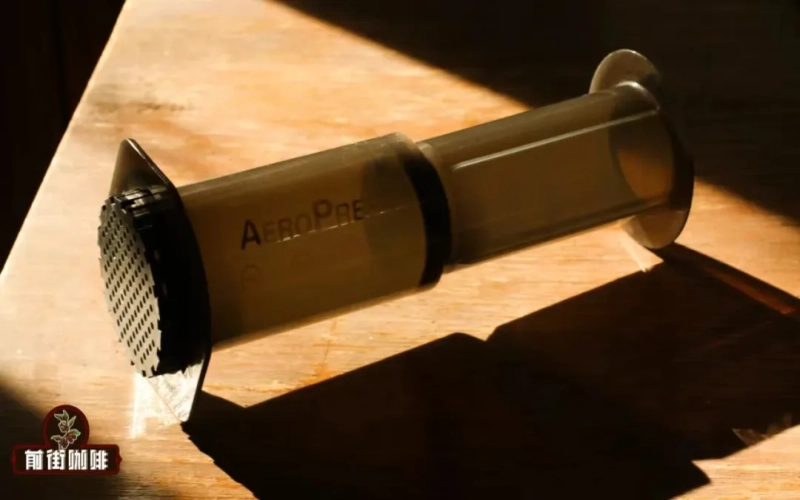
Since its introduction in 2005, the AeroPress has accumulated a large following in the coffee community thanks to its unique extraction method and portable nature. This device, invented by Alan Adler when he was nearly seventy, what exactly is its structural design? In what ways are its advantages and shortcomings reflected? This article will break down the AeroPress's components one by one, analyze its performance in actual use, and include related product recommendations from Front Street Coffee, providing coffee enthusiasts with a complete reference guide. [more…]

Earth Day Starbucks Bring-Your-Own-Cup Event: Coffee Lovers Gather at Stores with Creative Containers
Every year on Earth Day, Starbucks launches a free coffee promotion for customers who bring their own cups, drawing a large crowd of coffee lovers who show up with all kinds of containers. This year the event fell on a Monday, yet many people still lined up early, aiming straight for the top 30 oat lattes. Among the crowd were creative containers like pots and pans, rice cookers, and pickle jars, and even cups from brands like Luckin and Manner made a "cameo" appearance. This brief and joyful freebie frenzy was both a show of support for environmental protection and a display of coffee fans' humor and enthusiasm. Though the event has ended, everyone looks forward to meeting again next year. [more…]
Why Does the Manner Yellow Peel Tonic Americano Keep Splashing? A Guide for Baristas and Consumers to Prevent Explosions
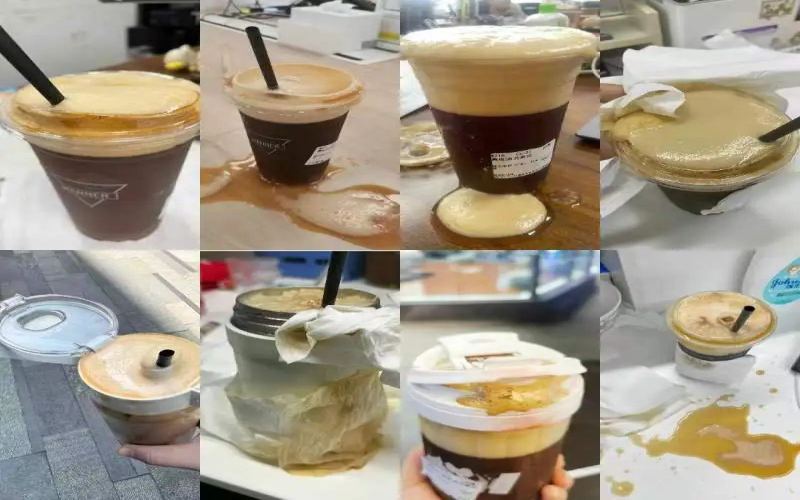
Manner stores nationwide recently launched the Wampee Tonic Americano and Wampee Tonic Special Drink, priced at 15 yuan, available only via the mini-program and in-store ordering. Because they contain tonic water, stirring can easily cause a foam eruption, and social media has been flooded with "victims" sharing their embarrassing experiences—takeaway cups and personal cups alike are hard-pressed to escape. This article breaks down the science behind the splashing, baristas' coping techniques, and netizens' summarized anti-eruption tips, along with Front Street Coffee's related recommendations, to help coffee lovers safely enjoy this new product. [more…]

Should coffee cups be preheated before brewing? A practical guide to temperature control from espresso to pour-over
Many tea brewers are in the habit of first warming their cups and rinsing their teapots, believing this cleans the utensils, raises the temperature, and releases aroma. So in coffee making, is warming the cup equally necessary? Some feel it directly affects the flavor and mouthfeel of the entire cup, while others consider it optional. This article approaches the question from two angles—espresso and pour-over—and, taking into account practical factors such as serving temperature, cup wall material, and drinking scenario, analyzes the role and limitations of cup warming in different situations, and offers flexible suggestions. If you also care about how a cup of coffee changes in temperature from serving to sipping, read on. [more…]
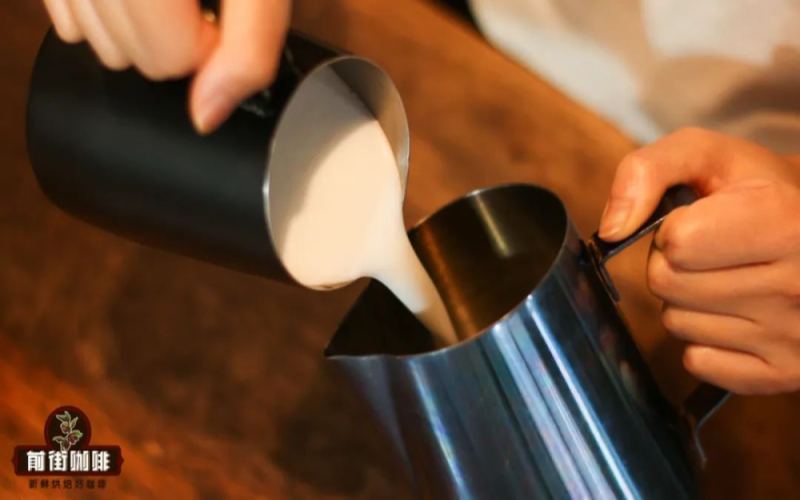
Why Is It Necessary to Transfer Milk for Latte Art? A Detailed Explanation of Milk Froth Fineness and Key Latte Art Techniques
In the process of coffee latte art, transferring milk between pitchers is an operation that is often mentioned but easily confuses people. Why is it necessary to pour the steamed milk foam from one latte art pitcher into another? What benefits does this actually bring? Starting from Front Street Coffee's sharing, this article provides a detailed analysis of how transferring milk improves milk foam quality, including effects such as re-integration, eliminating large bubbles, and breaking up clumps. It also explores how transferring milk reduces the difficulty of latte art, as well as details to note when creating latte art, such as pitcher selection, the amount of integration, and the tilt angle, helping coffee enthusiasts more systematically understand the principles and techniques behind latte art. [more…]
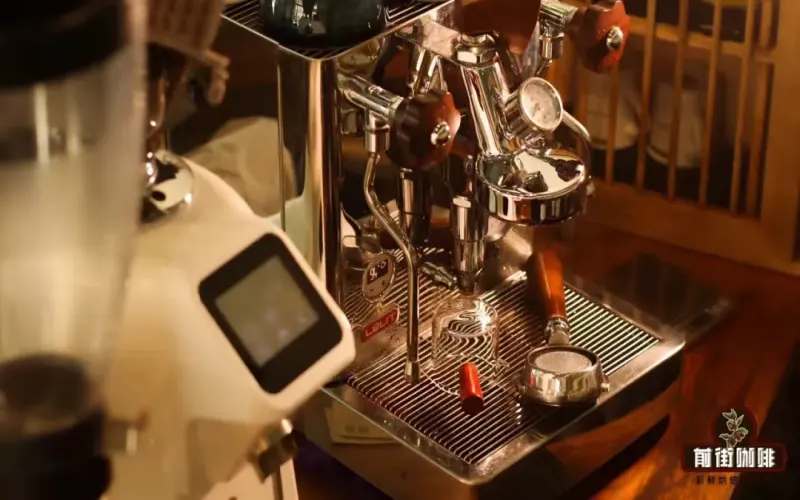
Coffee Machine Recommendations | How Can Coffee Beginners Choose an Espresso Machine? What Types of Home Coffee Machines Are There? Introduction to Coffee Machine Varieties, Features, Performance, and Usage
The emergence of coffee machines has made people's lives more convenient. Through word of mouth and mutual recommendations, coffee machines can now be found in homes, offices, and commercial settings, and their functions, styles, and brewing methods have continuously been improved and evolved. From the birth of the world's first coffee machine in 1818, to [more…]

From 5-liter giant buckets to 1-liter portable packs: How bucket tea drinks became this summer's new trend
This summer, bucket-sized fruit teas quietly took over milk tea shop menus. From Heytea and Nayuki to ChaPanda and CoCo, major brands have rolled out 1-liter or even larger bucket drinks, attracting consumers with high cost-performance. Bucket tea drinks are nothing new—back in 2019, they went viral thanks to Jay Chou fan support, and in 2020 Nayuki even launched a 5-liter "mighty bucket." However, issues like the short optimal drinking window and rapid bacterial growth in bucket tea drinks cannot be ignored. From giant buckets to portable packs, what evolution has bucket tea drinks undergone? And why have this summer's bucket fruit teas made a comeback? This article will break it all down for you. [more…]
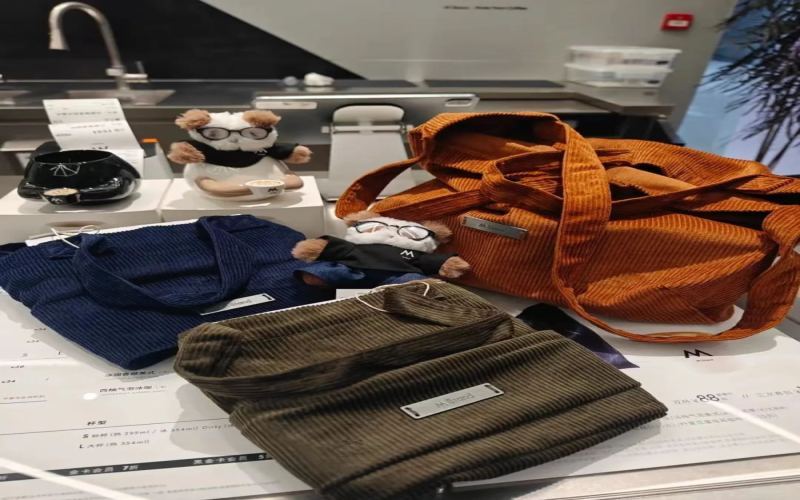
The real-life texture of the Mstand corduroy crossbody bag has sparked heated discussion, with people joking that it looks like a begging bag and that quality control has failed.
As the weather turns cooler, Mstand has launched a retro corduroy crossbody bag, which quickly attracted many coffee lovers to buy it thanks to its Maillard color palette. However, after receiving the actual product, many users found that the fabric was too thin and the bag body slumped softly, a clear gap from the official promotional images. Shorter users even joked that the overly long shoulder strap made them look like they were "out begging for alms." More surprisingly, some customers found loose threads at the seams and pilling on the inside after washing, while longtime fans pointed out that unstable quality control in Mstand merchandise has long been the norm. This article will walk you through the real reviews and detailed issues of this new merchandise. [more…]